A Q&A With New VP of Product Sung Hong: From Affirm, Udemy and Magic Labs to Patlytics























With how rapidly enterprise AI is evolving, few product leaders possess the specialized experience required to take highly complex, heavily regulated workflows and abstract them into simple, intuitive user experiences.
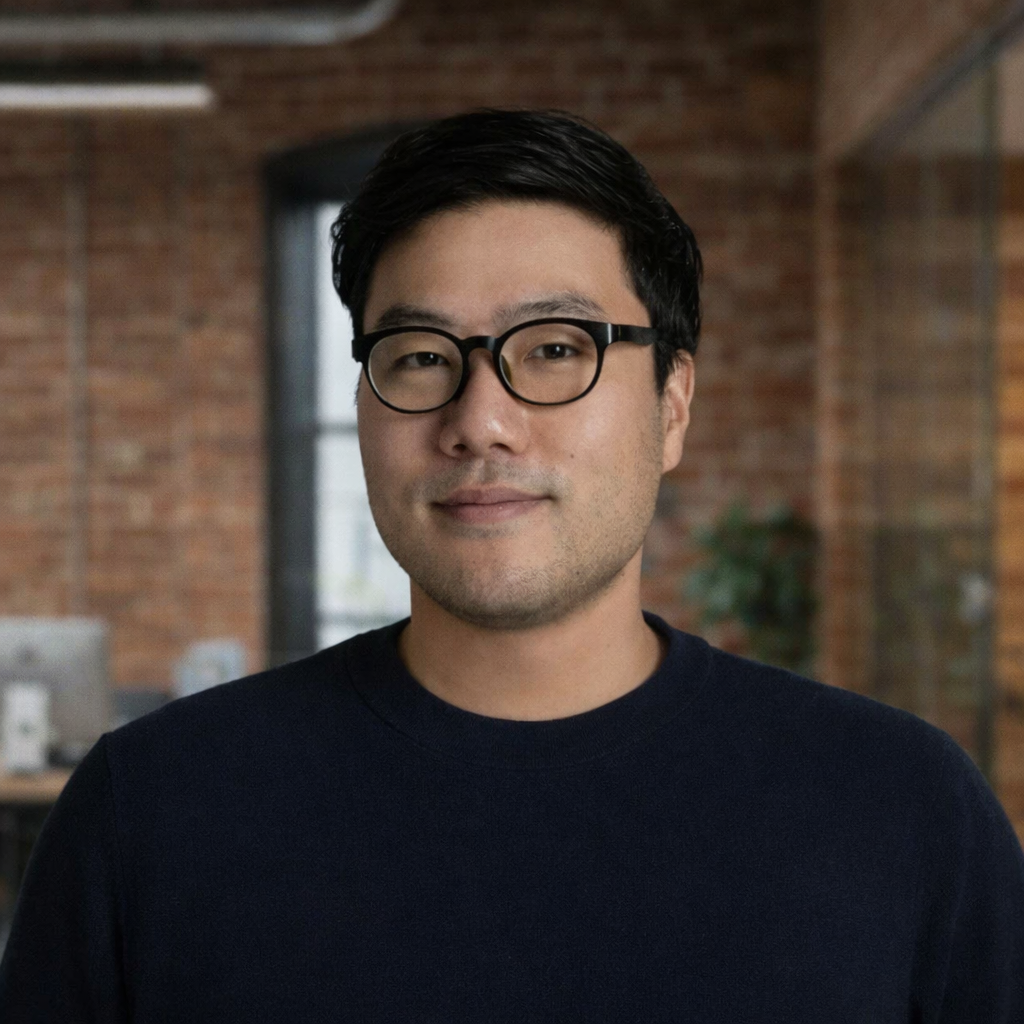
Sung Hong, the new VP of Product at Patlytics, is the exception. A rare talent with foundational experiences at Affirm and Udemy, Sung helped scale Magic Labs to serve both Fortune 500 enterprise customers and startups. While there, he also helped launch Magic Newton, an infrastructure layer for AI agents that grew from zero to 1 million monthly active users within its first few months.
On the enterprise side, Sung has helped scale companies from scrappy, early-stage to major revenue and fundraises.
- At Magic Labs, Sung served as VP of Product, where he worked alongside Patlytics CTO Arthur Jen to scale the platform to over 50 million users across Fortune 500 companies and startups.
- At Affirm, he launched and expanded the company's multiple geo markets as the international product lead, collaborating with 60+ engineers and 200+ colleagues, with no P0 bugs on launch day.
- At Udemy, he was part of the online course marketplace’s first B2B product growth team, and watched the B2B business go from under $40M to over $100M ARR.
We sat down with Sung during his first week to hear more about what drew him to Patlytics, his vision for the product and the role, and a few things about life outside work.
Q: You knew Arthur and Paul from your days at the University of Waterloo in Canada. What made you want to take this leap with them now?
Sung: I've known Arthur since school, and I got to watch him up close while working with him at Magic Labs. I joined when they were about 20 people and starting to attract serious enterprise interest. We were in the trenches together. Early mornings, late nights. I always wanted to work with him again, as he truly is a technological visionary.
Paul and I also go back to our college days. After school, he went into venture capital, where he developed an incredibly sharp eye for evaluating businesses, teams, markets, and technologies. He still has that exceptional VC judgment today, combined with the drive of someone who will run through walls to get things done.
The fact that he and Arthur built something this real, this fast, in just two years showed me exactly how serious Patlytics was.
Q: You also have personal experience with both the IP and AI spaces. What lessons are you taking from those as you join Patlytics?
Sung: The throughline in my career has always been taking highly complex, heavily regulated workflows and abstracting them into simple, intuitive user experiences.
Growing up with a father who has had a long legal career as a lawyer as well as other family members in the field, I’ve been adjacent to the legal world my whole life. I saw firsthand how much of their time was consumed by dense, manual workflows and navigating incredibly intricate systems. Patlytics is the perfect intersection of my background in product and my familiarity with that world: we are bringing much-needed simplicity and AI automation to the deeply complex intellectual property space.
I’ve also been building AI applications directly. Recently, I developed an AI-powered legal tech platform designed to help users navigate complex visa situations. It analyzes dense user documents (like resumes or professional profiles) to generate highly personalized, actionable recommendations. Building that made it incredibly obvious how much of a step-change you get when AI is properly embedded into a workflow.
On the IP side, while at Magic Labs, Arthur and I co-invented a new way to handle blockchain key management that made it genuinely enterprise-grade, and we have a patent pending on that. Experiencing that path to validation and commercialization firsthand makes Patlytics’ mission incredibly personal and exciting for me.
Patlytics already has that at its foundation. Combine that with the people, and it felt like exactly the right time to do another startup push.
Q: How do you think about your role as VP of Product?
Sung: I think about it in three parts.
First, build a deep, shared understanding of customers and their pain. Not just for the product team: that needs to become the common language between product, sales, and marketing. When everyone is describing the same problem the same way, things start moving a lot faster in the right direction.
Second, bridging the gap between raw AI intelligence and real user workflows. I want to empower our teams to build AI-native experiences to continue to deliver instant value in a delightfully intuitive experience.
Third, bring the pattern recognition I've built up from scaling enterprise businesses. I've watched companies go from early stage to $100M ARR and to post-IPO hyper growth, and seen exactly what role product needs to play at each phase of the growth curve. Not just building features, but sitting right there with sales, right there with marketing, helping drive the commercial side.
The best product leaders I've seen are technology executives and commercial executives at the same time. That's the version of this role I want to bring here.
Q: You've built highly technical enterprise infrastructure, but you also emphasize intuitive user experiences. How does that shape your approach?
Sung: On the enterprise side, the biggest thing I learned is that being on the product team is never just about the product. You're in the room with sales, helping reduce decision-making friction. At Affirm, PMs were driving the end-to-end customer conversations: discovering the need, mapping out how the customer uses Affirm to hit their business objectives, and partnering closely with commercial teams on contract terms. That's the model that works for technical products.
But at the same time, you can't lose sight of the end-user. The principles of great user-centric design—intuition, rapid testing, and learning fast—are exactly what enterprise tools often lack. Making every touchpoint feel delightful is a requirement, not a nice-to-have.
Even in enterprise, brand matters. Every category is getting more crowded. Having a real emotional connection with your customer base is going to matter more, not less. Brand means being clear about what you stand for, making every interaction feel right and trustworthy. That's the lens I carry into everything I build.
Q: What should people know about you beyond the resume?
Sung: I have a lot of family in the arts professionally, so art is genuinely a big part of my life: gallery visits, learning about how artists express ideas and how that changes how you see the world.
I used to be obsessed with road biking back in San Francisco. Being in New York City basically retired the bike. And I'm a Blue Jays fan, so I’m still recovering from the heartbreak of last year’s World Series loss to the Dodgers.
The Premier AI-Powered
Patent Platform
Reduce cycle times. Increase margins. Deliver winning IP outcomes.