February 23, 2026
Navigating the EPC: Streamlining European Patent Office (EPO) Workflows
Streamline EPO prosecution with AI-powered analysis of EPO communications, multi-language support, and EPC-specific workflows, all in one unified patent platform.
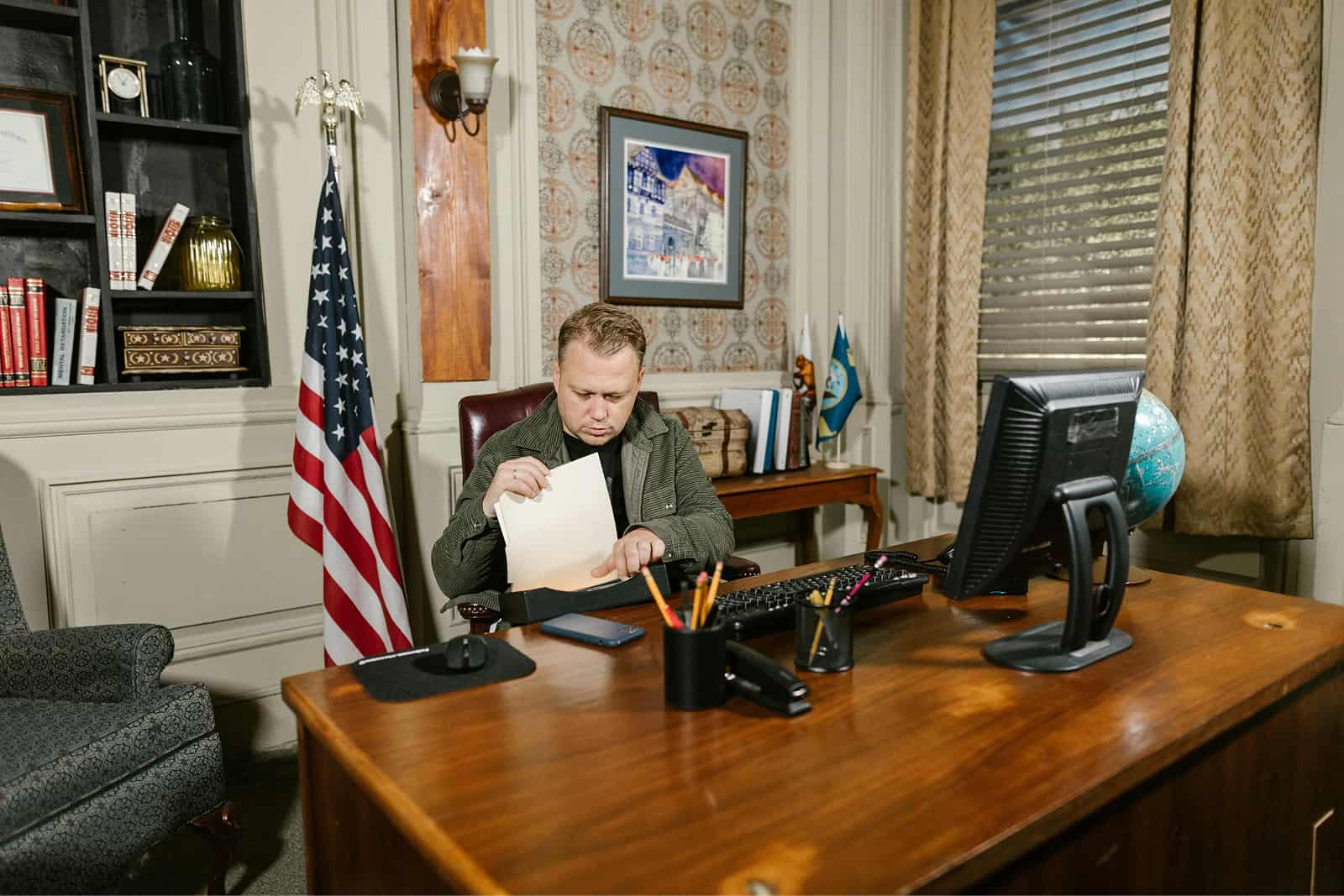
The European Patent Office (EPO) has its own procedural rules, statutory nuances, and multi-language complexities often requiring separate workflows and disconnected tools.
This can mean teams may have fragmented systems, translation bottlenecks, and duplicated effort.
Modern IP teams are moving toward unified, AI-powered prosecution workflows that allow EPO and USPTO matters to be managed side-by-side without sacrificing jurisdiction-specific precision.
Here’s how structured EPO support with Patlytics simplifies European patent prosecution.
A Structured Workflow for EPO Communications
Responding to a communication from the examining division under Article 94(3) EPC often involves parsing dense reasoning grounded in the European Patent Convention (EPC). Historically, practitioners have relied on manual review and jurisdiction-specific point solutions.
Patlytics extends its Office Action module to support the European patent prosecution workflow.
Objection Analysis
EPO communications can be uploaded directly into the platform, where the examining division’s objections are automatically parsed and summarized. The system applies the same limitation-level analysis used in US prosecution, adapted to the EPC framework.
Practitioners gain:
- Structured breakdowns of examiner objections
- Clear mapping of cited prior art
- Consolidated summaries for faster internal review
Strategic Response Drafting
Teams can develop strategy notes and draft formal responses directly within a purpose-built editor designed for prosecution workflows.
This reduces the need to move between disconnected tools and allows European matters to be handled with the same rigor and structure as US cases.
Unified Portfolio Management
Instead of toggling between jurisdiction-specific platforms, firms can manage EPO and USPTO matters within a single dashboard. This unified approach reduces administrative overhead, saves time, and improves visibility across international portfolios.
Mastering Complex EPC Articles
European prosecution introduces statutory nuances that differ materially from US practice.
A structured workflow must account for EPC-specific provisions, such as:
Article 76 and Divisional Applications
Article 76 issues related to divisional applications and added matter can be particularly complex. Specialized support helps practitioners evaluate whether amendments introduce subject matter extending beyond the content of the earlier application. European prosecution also frequently requires coordinated analysis under multiple EPC provisions, including Article 54, 56, 83, 84, or 123(2). Each of these articles introduces its own technical and legal nuances, particularly when amendments are made during examination.
For example, inventive step under Article 56 is assessed using the EPO’s problem-solution approach. Article 83 requires the application to disclose the invention in a manner sufficiently clear and complete for it to be carried out by a person skilled in the art, while Article 84 requires the claims to be clear and concise and to be supported by the description. Meanwhile, Article 123(2) and Article 76 impose strict limits on introducing subject matter beyond the original disclosure. Evaluating amendments through this integrated EPC framework is critical to avoiding objections that can irreversibly narrow claim scope or jeopardize enforceability across European jurisdictions.
European Legal Standards
Argument suggestions and amendment strategies are designed around European legal standards rather than simply mirroring US approaches. Practitioners review and adapt them to the specific file.
AI-Powered Art Fetching and EP Strategy Development
International prosecution often requires reviewing cited references from multiple jurisdictions.
Patlytics’ AI agents streamline this process by:
Automated Prior Art Retrieval
Cited international prior art references mentioned in an EPO communication are automatically fetched within the workspace. This eliminates manual searching and accelerates substantive analysis.
EP-Specific Strategy Support
Practitioners can engage an AI Agent to develop prosecution strategies tailored specifically to EPO technical and legal nuances.
“Possible” vs. “Not Possible” Triage
The system analyzes objections and cited art to propose potential amendment paths categorized as “possible” or “not possible.” This structured triage helps teams move from initial review to a strategic starting point quickly, without prematurely committing to weak arguments.
Multi-Language Support for Seamless Prosecution
One of the most significant hurdles in EPO prosecution is language.
Communications, cited prior art, and supporting documents can be in multiple languages, creating translation bottlenecks and review delays.
Patlytics addresses this through integrated multi-language support.
Foreign Document Parsing
Non-English communications and office actions can be analyzed directly within the platform, eliminating the need for separate manual translation workflows before strategic review begins.
Universal Translation Support
Users can view English translations of foreign-language references, prior art, and related documentation directly within the workspace. This ensures that analysis is not slowed by linguistic barriers.
High-Fidelity Rendering
Enhanced PDF rendering ensures that international patent documents display clearly and preserve formatting even in multilingual contexts.
For global prosecution teams, this significantly reduces friction and accelerates review cycles.
The Outcome: A Unified Global Prosecution Strategy
Managing European and US prosecution in separate silos can create inefficiencies and increase risk.
By integrating EPO and USPTO workflows into a single AI-native platform, firms and in-house teams can:
- Reduce cycle times across jurisdictions
- Improve consistency in global claim strategy
- Minimize translation bottlenecks
- Maintain visibility across international portfolios
Global patent strategy just became simpler.
Instead of reacting to document-heavy workflows, international prosecution teams can operate within a structured, unified environment that respects the technical and legal nuances of both the EPC and the USPTO.
To learn more about Patlytics, read our customer testimonials, visit our blog page, or book a demo today.

See it on your own patents
Reduce cycle times. Increase margins. Deliver winning IP outcomes.